
 As the A-Team’s research on Gen Z progresses, I’m inspired to reflect on my own experience as a Gen Z-er, specifically in mentorship relationships, technological influences, and existing opportunities.
It seems some young people have placed high expectations on themselves to develop independently—to educate themselves, prepare themselves, and connect themselves with opportunities. In some ways, this expectation has shifted young people away from asking peers, mentors, and other humans for help to instead relying on Google, AI, or other technologies first.
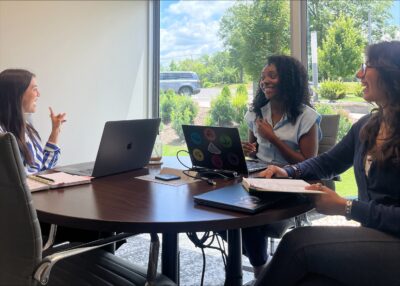
I’ve grown up in the digital age. Using Chromebooks in school, making friends through social media, and knowing that the answer to any question is only a Google search away. Even with technology fully integrated into my life, I know that I still learn best through human interaction.
During the Gen Z Focus Groups that the A-Team has been hosting this summer for people ages 14-29, we have heard a consistent message:
Technology has fundamentally changed the way youth learn and communicate. Although our young adults want to work hard, set ambitious goals, and learn from professionals, they don’t feel supported or prepared to do so. They want more guidance, patience, and opportunities to build foundational life skills, but often feel their ideas are pushed aside, and they’re not taken seriously.
Based on my own experiences in school, I can see how young adults might have the misconception that older professionals expect them to be fully prepared, since we now have access to the world’s information at our fingertips.
This misconception makes young adults feel unsupported and unprepared, but I think that it stems from a lack of experience and a lack of intergenerational relationship-building. In fact, I think the real reason young adults don’t feel supported is that they don’t know how to ask for help. It even took me a while to ask my own mentor Emma DeVenny for help, and that came after weeks of projects and teamwork.
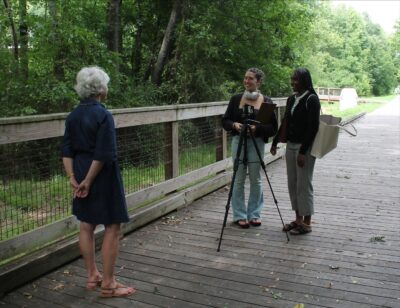
It’s easy to stay unprepared and disconnected from the support that exists. It’s hard to put yourself out there and to admit you need time to learn, need professional development, and need to ask for assistance.
What I’ve learned over the course of this summer is that opportunities for guidance, preparation, and support do exist. Not taking advantage of these opportunities further reinforces the misconception that makes young people feel unsupported.
How can we combat this feeling? Be more mindful of seeking out opportunities, intentionally connecting with peers, mentors, and other humans, and taking advantage of existing resources.